
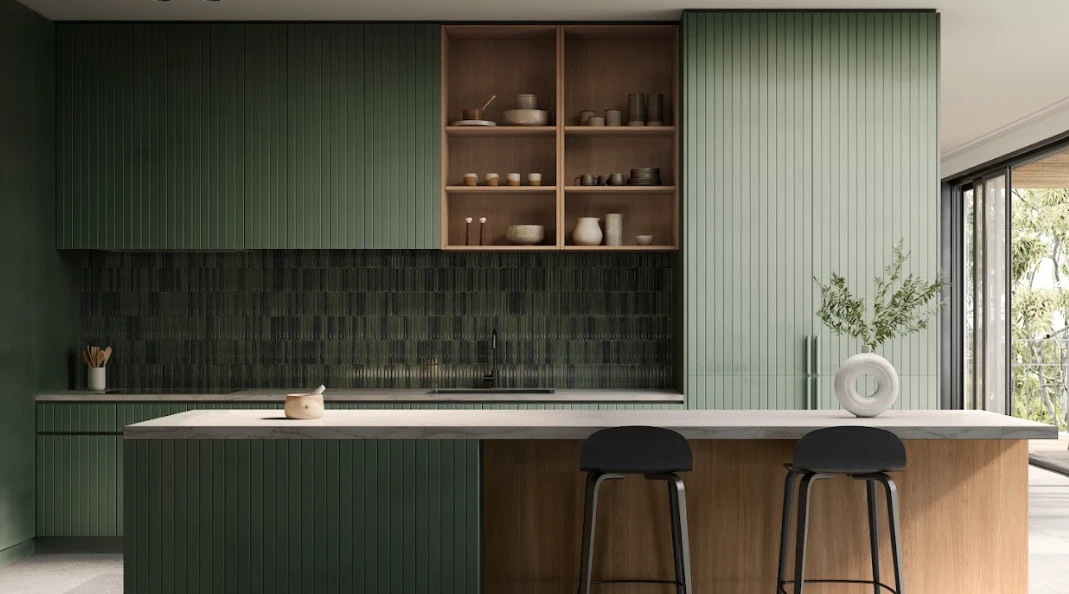
Australia’s kitchens are evolving fast – smarter, warmer, and more personalized than ever. If you are planning a renovation or specifying cabinetry for a new build in 2026, the big picture is clear: longevity, local craftsmanship, and meaningful tech are in; waste, fads, and high-maintenance choices are out. Below is a practical, design-led guide on what’s shaping modern kitchen designs across Australia right now – covering materials, finishes, integrated technology, sustainability, and the aesthetics homeowners and builders are asking for.
Materials That Balance Tactility, Durability, and Repairability
Textured laminates and soft-matte surfaces
Advanced laminates and soft-matte boards continue to rise thanks to their fingerprint resistance, easy cleaning, and realistic timber or stone-look textures (without the upkeep of the real thing). In 2026, you’ll see more super-matt finishes that diffuse light, minimize glare, and give cabinetry a refined, architectural feel – ideal for Australian kitchen styles from coastal to contemporary. View our gallery for inspiration.
Real timber veneers used thoughtfully
For clients who want the warmth of timber without excessive upkeep, quality timber veneers applied to stable substrates are winning. Oak, walnut, and Tasmanian species present beautifully in panel-matched runs, vertical battening, and fluted feature doors. Expect more hybrid schemes – for example, a timber-lined appliance zone or island face balanced with colour-blocked matte cabinetry elsewhere.
High-performance 2-pack and ultra-durable coatings
Refined 2-pack polyurethane systems remain popular for their custom colour possibilities and crisp lines. The biggest shift is towards ultra-durable, micro-scratch-resistant topcoats and low-VOC formulations that age better, keep sheens consistent, and support indoor air quality.
Hardware that lasts
Premium hinges, runners, and lift systems are now non-negotiable. Soft-close everything, pocket doors, and zero-handle push-to-open mechanisms are being specified more often – but with careful consideration of use-case so that the tactile experience remains intuitive and reliable.
Finishes: Calm Colour, Layered Neutrals, and Confident Accents
Layered neutrals with depth
Rather than flat greys or stark whites, 2026 is all about layered neutrals – warm whites, stone-tinted putties, mushroom, and sandy taupes – combined in subtle tonal shifts across base and overhead cabinetry. This delivers the coveted “calm but characterful” palette many Australians want.
Heritage greens and inky blues
Colour is still in play, but it’s measured. Deep eucalyptus greens, inky blues, and charcoal-navy add sophistication without overwhelming small spaces. A common scheme is neutral perimeter cabinetry with a colored island or appliance bank to anchor the room.
Timber accents as a design link
Slim timber trims, open shelves, or a single bank of timber doors can bridge modern lines with natural warmth. Consider thin shadow lines and integrated rails in timber to punctuate custom cabinetry without complicating maintenance.
Tactile fronts
Ribbed, fluted, and reeded door fronts bring soft texture and play with light—especially effective on tall pantries or appliance garages. Choose finishes that allow easy cleaning of grooves to remain practical for everyday cooking.
Meaningful Technology Integration (That You’ll Actually Use)
Concealed power and cable-smart storage
More households rely on apps for recipes, shopping, and timers. Expect charging drawers, concealed power docks, and splashback power rails with device cradles so benchtops stay clear. (We’ll spec cut-outs and cable channels so your tech “disappears”.)
Organised interiors by zone
The rise of drawer-within-drawer systems, spice/tin inserts, and deep pan drawers keeps tools where you need them—right under the cooktop, next to prep zones, and beside the sink. Motion-activated lights inside tall pantries improve visibility at a glance.
Smart but simple lighting
Rather than gimmicks, the focus is on task lighting that responds – dimmable, warm-temperature LEDs under overheads and within shadow lines of open shelves. The result is layered light for prep, cooking, and evening ambiance without harsh glare.
Pocket and bi-fold doors for appliance zones
Pocket doors hide small appliances behind sleek cabinetry; doors tuck away when open so they don’t block workflow. This supports clean lines while making breakfast setup or coffee rituals quick and intuitive.
Sustainability: Local Sourcing, Low-Waste Construction, and Longevity by Design
Local supply chains and certified boards
Specifiers and homeowners are prioritizing Australian-made board products, and sustainably sourced veneers. Local sourcing reduces transport emissions and helps ensure consistent quality and quicker lead times. We have partnered with Australia’s best suppliers like Laminex, Polytec and Nikpol, so that we give you the best.
Designed for repair & upgrade
True sustainability is about designing for decades. Detachable plinths, replaceable door fronts, and standardized hinge drilling patterns allow refreshes without a full rip-out. We’re also seeing a practical move towards classic carcass colours (e.g., white or light grey) paired with fronts you can update later.
Waste-smart manufacturing
Cabinetry workshops are optimising cut lists, nesting, and re-use of offcuts for internal components. This reduces waste and helps maintain price stability – a win for both environment and budget.
Low-VOC finishes and healthy interiors
Health-conscious households look for low-VOC paints, adhesives, and sealants. These choices support indoor air quality – especially important in well-sealed homes with less natural airflow.
Design Aesthetics Australians Are Loving in 2026
Seamless lines with human warmth
Minimalism evolves into “soft minimal” – clean profiles, slender rails, and integrated handles with rounded edges and warm textures. The goal is serenity without sterility.
Furniture-like cabinetry
Islands and sideboards styled like standalone furniture pieces – think framed ends, negative details, and open plinths – help kitchens feel less utilitarian and more connected to living areas.
Flexible storage that adapts
Pull-out pantries, modular drawers, and adjustable shelves remain essential. 2026 emphasizes flexibility: the freedom to re-configure as family needs change.
Blended open/closed storage
Show what’s beautiful, hide what’s not. A mix of closed cabinets for everyday essentials and glass-front or open shelves for ceramics and cookbooks gives personality without visual clutter.
Curves used judiciously
Curved end-panels, gently radiused corners, and arched display nooks appear in measured ways – softening lines and enhancing flow, especially in compact or high-traffic kitchens.
Craft, Detailing, and Ergonomics
Precision matters
Micro-reveals, perfect door gaps, and aligned grains set premium custom cabinetry apart. In 2026, clients are more informed and appreciate these details—investing in craftsmanship that elevates daily use.
Ergonomics by height and habit
Installers are setting bench and cabinet heights around owners’ actual habits and statures. Drawers for heavy items (instead of fixed shelves), easily reachable everyday plates, and pull-down lift systems in overheads are practical hallmarks of good design.
Acoustic and soft-touch elements
Felt-lined cutlery inserts, soft bump stops, and rubberized bin caddies contribute to a quieter, more refined experience that you instantly feel (and hear) in use.
What This Means for Homeowners and Builders
For homeowners
- Priorities durability over novelty. Ask about substrate ratings, hinge warranties, and repairability. Beautiful cabinets should also be robust and serviceable.
- Choose a timeless base; personalize with accents. Neutral bodies with a colored island, timber trims, or textured doors will stay current longer while reflecting your style.
- Invest in interior organization. High-quality drawer inserts and vertical dividers save time every day and keep surfaces clear.
- Specify healthy materials. Opt for low-VOC coatings and certified boards—your home (and future resale) will benefit.
- Plan for hidden tech. Charging drawers and cable-smart pantries keep the kitchen calm and clutter-free.
For builders and designers
- Standardize the carcass; customize the fronts. This balances workshop efficiency with client personalization and simplifies future refreshes.
- Use zoning to guide hardware choices. Heavy pots? Deep drawers near the cooktop. Tall pantry? Consider internal pull-outs and motion lighting.
- Protect your program. Partner with joiners who hold stock with reliable local suppliers to reduce supply-chain risk and shorten lead times.
- Detail the small things. Shadow lines, handle placement, and pocket-door clearances dramatically impact the user experience.
- Document maintainable specs. Provide clients with finish codes and care guides; it builds trust and reduces call-backs.
Prestige Joinery is your one-stop solution for all cabinetry needs. We partner directly with top Australian suppliers, remove the middle man, and deliver exceptional value without compromising on quality or timelines. If you need custom cabinetry that looks beautiful, performs brilliantly, and fits your budget, we can help from design to final install.